Joint River Basin Authorities-project Board

Call Directions Website Contact the organization

Joint River Basin Authorities-project Board Contact information, map and directions, contact form, opening hours, services, ratings, photos, videos and announcements from Joint River Basin Authorities-project Board, Government Organization, Lubovane Dam Site Offices, Siphofaneni.

JRBA–PB is a government entity working under the Ministry of Natural Resources and Energy, supporting river basin authorities through water permits, advisory services, and oversight of Eswatini’s rivers and water.

WHY STAKEHOLDER ENGAGEMENT MATTERS IN WATER GOVERNANCE?BY: WANDILE ZISHWILI PUBLIC RELATIONS & COMMUNICATIONS Imagine a ...
11/11/2026

WHY STAKEHOLDER ENGAGEMENT MATTERS IN WATER GOVERNANCE?

BY: WANDILE ZISHWILI PUBLIC RELATIONS & COMMUNICATIONS

Imagine a farmer preparing for a new planting season, only to discover that water availability has become a concern. A community notices increasing sand mining activities along a nearby river and wants to understand who is responsible for regulating them. An industry depends on a reliable water supply to sustain production, while communities downstream are equally concerned about how the same water resource is being used.

Although these situations may appear unrelated, they have something in common: they involve people whose lives, livelihoods and activities are connected to water resources.

This is where stakeholder engagement becomes important.

SO, WHAT IS STAKEHOLDERENGAGEMENT?

Stakeholder engagement is more than inviting people to meetings, distributing information or consulting communities when a project is about to begin. It is an ongoing process of building relationships, sharing information, listening to different perspectives and involving people in conversations that affect their interests and responsibilities.

It recognises that decisions are better informed when the people affected by them have an opportunity to contribute.

In water resources management, this is particularly important because water is a shared resource. Farmers, industries, communities, traditional leaders, government institutions and environmental organisations all interact with water differently. Their interests may differ, but they share an interest in its sustainable management.

WHY DOES IT MATTER ?

Without meaningful engagement, a community may not understand why water-use restrictions are necessary. A farmer may be unaware of the responsibilities attached to a water-use permit. An industry may not fully appreciate how its abstraction activities affect other users, while concerns about river pollution or illegal sand mining may remain unaddressed.Engagement creates an opportunity to bridge these gaps.

It allows institutions to explain their mandates and decisions while giving stakeholders an opportunity to raise concerns, share experiences and contribute to solutions. Equally important, it helps build trust, improve cooperation and reduce misunderstandings between institutions and the people they serve.

Importantly, engagement does not mean that every request must be accommodated or that every decision will be determined by public opinion. It means that stakeholders are given an opportunity to be heard, their contributions are considered within the relevant mandates and technical requirements, and feedback is provided.

WHERE DOES JRBA-PB COME IN?

For the Joint River Basin Authorities-project Board (JRBA-PB), stakeholder engagement is central to effective basin-level water governance.

Working across the five River Basin Authorities, JRBA-PB recognises that water resources management cannot happen in isolation from the people and institutions that depend on, use and influence these resources.

Whether engaging traditional leaders on community water concerns, farmers on water allocation, industries on responsible water use or government institutions on shared water governance challenges, the objective is to build a common understanding of water resources and the responsibilities that come with managing them.

This also means making technical information more accessible, creating platforms for dialogue and ensuring that stakeholder concerns inform relevant planning and institutional processes.

JRBA-PB takes stakeholder relationships seriously because effective water governance is not achieved through regulations and technical expertise alone. It also depends on cooperation, public understanding and the willingness of different stakeholders to work towards shared objectives.

Ultimately, stakeholder engagement should not be measured by how many meetings an institution holds, but by the understanding, relationships and cooperation that emerge from those interactions.

For JRBA-PB, the ambition is to move beyond simply informing stakeholders towards building meaningful relationships that support responsible water use, informed participation and sustainable management of water resources.

Because water governance is not only about managing water. It is also about engaging the people whose lives depend on it.


Pic Cred: AI generated
JRBA-PB WATER RESOURCES UPDATE | 07 NOVEMBER 2026.Increased rainfall and upstream dam releases are contributing to risin...
09/11/2026

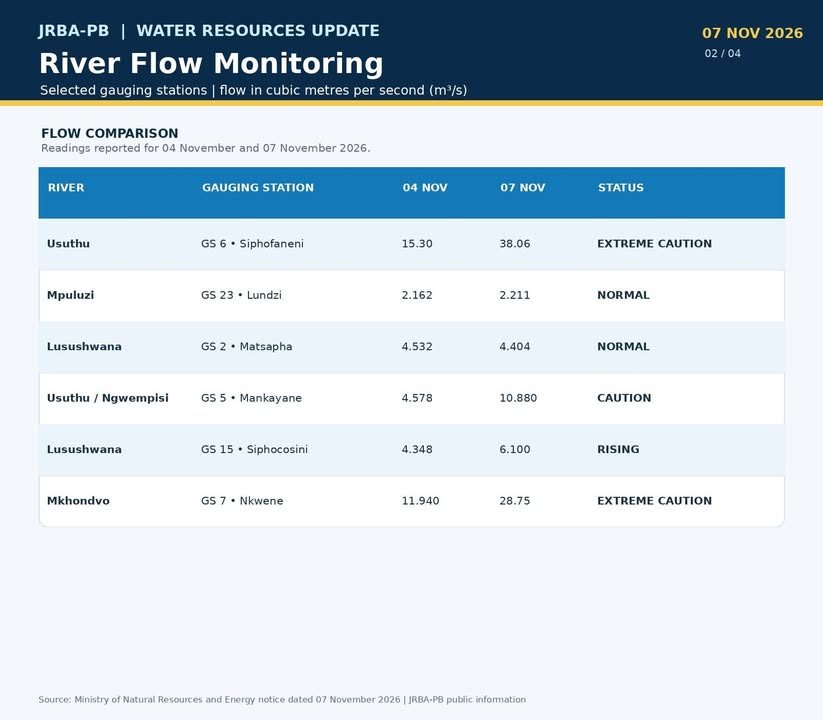
JRBA-PB WATER RESOURCES UPDATE | 07 NOVEMBER 2026.

Increased rainfall and upstream dam releases are contributing to rising river levels across parts of Eswatini.

According to the Ministry of Natural Resources and Energy Eswatini Ministry of Natural Resources 's latest national water resources update, several dams continue to record high storage levels, while increased river flows have been observed at a number of monitoring stations.

Lubovane Dam is reported to be overflowing at 101.75%, while increased flows have also been recorded along the Usuthu, Mkhondvo and Ngwavuma rivers, among others.

Areas requiring heightened caution include:
- Mkhondvo River: Mahamba, Nkwene and Sidvokodvo.
- Usuthu River: Sidvokodvo, Siphofaneni and Big Bend.
- Komati River: Maguga, Enjakeni and Mananga.
- Ngwempisi River: Luhleko and Mankayane.
- Ngwavuma River: Ngololweni, Mhlosheni, Lubulini and Nsoko.

PUBLIC SAFETY REMINDER

Communities and water users are urged to:
- Avoid crossing rivers during and after rainfall.
- Stay away from low-level bridges and flooded crossing points.
- Never enter rivers with muddy, unclear or fast-flowing water.
- Protect livestock, water infrastructure and property located near riverbanks.
- Follow official weather and water-resource updates.

River conditions can change rapidly, particularly following rainfall and upstream dam releases.

JRBA-PB encourages all communities and stakeholders to remain vigilant and exercise caution around rivers and water sources.

Stay informed. Stay safe. Protect our water resources.

WHAT IS WATER RESOURCES MANAGEMENT ALL ABOUT?Have you ever wondered what happens behind the scenes to ensure that our ri...
04/11/2026

WHAT IS WATER RESOURCES MANAGEMENT ALL ABOUT?

Have you ever wondered what happens behind the scenes to ensure that our rivers, streams and other water sources are protected and sustainably managed?

Water Resources Management goes beyond simply having water in our taps. It involves understanding, monitoring, protecting and managing the water resources we depend on every day.

At the Joint River Basin Authorities-project Board (JRBA-PB), our work involves several important activities:

1. Stream Gauging: Measuring river water levels and flows to understand how much water is available and how it changes over time.

2. Water Quality Monitoring: Collecting and analysing water samples to assess the condition of our rivers and identify possible pollution.

3. Hydrological Monitoring: Studying rainfall, river flows and other water-related patterns to support planning and informed decision-making.

4. Water Allocation: Assessing and managing how water is shared among different users to promote equitable and sustainable use.

5. Water Use Permitting: Regulating water abstraction and use to ensure that users operate within the provisions of the Water Act.

6. River Basin Planning: Developing plans that guide the protection, development and sustainable utilisation of water resources within our river basins.

7. Catchment Protection: Promoting activities that protect river systems, their surrounding environments and the communities that depend on them.

Ultimately, water resources management is about ensuring that water is available, protected and sustainably utilised, not just for today's needs but also for future generations.

Because managing water today means securing our water future tomorrow.

Know Your River Basin: A Water Permit Comes with Responsibilities!You might be wondering: What exactly do we mean when w...
02/11/2026

Know Your River Basin: A Water Permit Comes with Responsibilities!

You might be wondering: What exactly do we mean when we talk about water allocation? Let's take you back to something familiar.

Imagine you own a small farm and want to irrigate your crops using water from a nearby river. Or perhaps you are planning to expand your agricultural operations and need to abstract larger quantities of water.

Did you know that the size and nature of your water use could determine whether you need a water permit?

Under Eswatini's Water Act, 2003, the use of water for primary purposes is exempt from permitting. This includes domestic needs, watering up to 30 head of cattle, and irrigating land not exceeding a quarter of a hectare, provided it is adjoining or occupied with a homestead of no more than 10 people.

Beyond these primary uses, water abstraction, diversion or storage generally requires authorisation through a water permit.

So, what is a water permit?

A water permit is an official authorisation that allows an individual, farmer, business or institution to abstract, divert or store a specified quantity of water for an approved purpose.

But why is this important?

Water is a shared national resource. Rivers serve different users, including households, farmers, industries, businesses and other economic activities. Without proper allocation and regulation, competing demands could put pressure on available water resources and affect other users.

This is where water allocation comes in: ensuring that available water is managed and distributed responsibly, taking into consideration water availability, demand and the needs of different users.

And remember, a water permit comes with responsibilities!

A permit holder is expected to:
- Use water only for the purpose authorised.
- Observe the approved abstraction quantities and conditions.
- Avoid unnecessary water wastage.
- Maintain proper records and required measuring devices.
- Keep the permit valid and renew it when due.
What happens when your water permit expires?

Under the Water Act, 2003, permits are subject to renewal every five years, or another period as may be prescribed. Permit holders should therefore plan ahead and initiate the renewal process before expiry to avoid interruptions to their authorised water use.

The Act also provides for temporary permits for water uses that are temporary or non-recurring in nature. These may be granted for periods of up to three years, subject to the applicable conditions.

It is important to note that temporary permits are determined by the nature of the proposed water use, not simply by whether the applicant operates in the agricultural, industrial or forestry sector.
So, where does JRBA-PB come in?
This is where our work becomes important.

Eswatini has five River Basin Authorities, responsible for supporting the management and allocation of water resources within their respective basins.

Water permit applications are considered through the relevant River Basin Authority Board, which exercises the statutory permitting functions under the Water Act.

JRBA-PB provides the technical and secretariat support that enables this process, including facilitating the assessment and processing of applications and supporting the Boards in making informed decisions.

In essence, the process is not simply about granting permission to use water; it is about ensuring that water allocation is informed, coordinated and sustainable.

The next time you see a river, remember that the water flowing through it supports many users and livelihoods. Managing it responsibly requires more than access; it requires planning, regulation and accountability.

Know Your River Basin. Understand Your Water. Protect Your Future.

-PB

JRBA-PB Participates in the 27th WaterNet/WARFSA/GWP-SA Symposium in Tanzania!This week, the Joint River Basin Authoriti...
29/10/2026

JRBA-PB Participates in the 27th WaterNet/WARFSA/GWP-SA Symposium in Tanzania!

This week, the Joint River Basin Authorities – Project Board (JRBA-PB) team is participating in the 27th WaterNet/WARFSA/GWP-SA Symposium, taking place from 28–30 October 2026 in Arusha, Tanzania, under the theme:

“Harnessing Artificial Intelligence and Big Data to Enhance Climate Resilience in Integrated Water Resources Management in Eastern & Southern Africa.”

As part of the symposium, our team is presenting preliminary hydrological modelling work undertaken in support of the development of the Mbuluzi and Ngwavuma River Basin Management Plans.

These presentations provide an important platform for peer learning, technical exchange, and constructive feedback to strengthen model development, calibration, and application in sustainable river basin planning and management.

The symposium also offers a valuable opportunity to engage with experienced researchers, scholars, and water resources management professionals from across the region and beyond, exchanging knowledge and exploring innovative approaches to climate-resilient water resources management.

What does this mean for JRBA-PB?

Participation in this regional symposium represents an important step in strengthening JRBA-PB’s technical capacity to support evidence-based, basin-level water resources planning and management in Eswatini.

Through the presentation and review of preliminary hydrological models, JRBA-PB can benefit from expert feedback to improve the accuracy, reliability, and practical application of modelling outputs as the Mbuluzi and Ngwavuma River Basin Management Plans are developed.

These models can help strengthen understanding of water availability, river basin behaviour, and potential climate-related pressures, providing a stronger technical foundation for planning, water allocation, and long-term water security. The knowledge and partnerships gained through this engagement will also contribute to building institutional capacity and advancing integrated water resources management across the five river basins supported by JRBA-PB.

Ultimately, the value of this engagement lies in translating technical knowledge and regional collaboration into better-informed decisions for Eswatini’s water resources and the communities, livelihoods, and economic activities that depend on them.

Special appreciation goes to WR Nyabeze and Associates, Incomati and Maputo Watercourse Commission (INMACOM), the International Union for Conservation of Nature (IUCN), and the Global Water Partnership Southern Africa (GWP-SA) for their valuable support, technical guidance, and contributions towards strengthening our team's capacity in hydrological modelling and integrated water resources management.

We wish our team continued success in their presentations, engagements, and the remaining symposium sessions!

STAKEHOLDER ENGAGEMENT: Recognising the Role of Chiefs in Community Development Projects.Before development reaches the ...
26/10/2026

STAKEHOLDER ENGAGEMENT: Recognising the Role of Chiefs in Community Development Projects.

Before development reaches the community, there is a conversation that must happen.

Today, through the Lomati River Basin Authority, the Joint River Basin Authorities-project Board (JRBA-PB), an implementing partner of the GEF-8 INMACOM project, hosted a stakeholder engagement at Peaks Peak Hotel in collaboration with the Department of Water Affairs, the Office of Regional Administrator and traditional leadership to present the Lomati FARMWISE Smart Agriculture Project.

The engagement brought together chiefs representing Mvembili, Mashobeni, Vusweni, Gandwandwe and Mshingishingini to learn about the pilot project, its proposed interventions and its potential to support community livelihoods.

Part of the wider Incomati and Maputo Watercourse Commission (INMACOM) initiative, which promotes transboundary water resources management across Eswatini, South Africa and Mozambique, the Lomati FARMWISE project seeks to demonstrate how water, energy, food and ecosystems can work together to strengthen livelihoods and protect natural resources.

The pilot goes beyond agriculture alone. Its planned interventions include rehabilitating selected irrigation infrastructure, introducing solar-powered pumping and drip irrigation, conserving endangered tree species, restoring degraded land and strengthening community capacity in sustainable farming and environmental management.

Through these interventions, the project aims to improve food security and income opportunities for smallholder farmers while promoting more efficient water use and healthier ecosystems.

Engaging traditional leadership is an important step in sharing this vision with the communities concerned. By bringing chiefs into the conversation, the project creates an opportunity to build a common understanding of its objectives and the proposed interventions before implementation progresses.

Ultimately, the Lomati FARMWISE project seeks to demonstrate that sustainable agriculture is not just about producing more food. It is about managing water wisely, restoring the land and protecting the ecosystems that sustain communities for generations to come.

Because meaningful community development begins not only with what is planned, but with the conversations that bring people into the process.

WATER ALLOCATION AND PERMIT MANAGEMENT EDUCATIONAL TIPS1. Do our river have enough water?Water is a finite resource henc...
23/10/2026

WATER ALLOCATION AND PERMIT MANAGEMENT EDUCATIONAL TIPS

1. Do our river have enough water?

Water is a finite resource hence our rivers cannot always have enough water. While our rivers continue to provide water for communities, agriculture, industries, and the environment, the amount of water available is becoming increasingly limited.

Due to growing demand, population growth, economic development, and recurring droughts, all river basins in Eswatini are now considered water stressed, meaning that the demand for water is placing significant pressure on available resources.

This is why water resources must be carefully monitored and managed to ensure that enough water remains available for current and future generations.

2. How does the current water demand compare to the available water across basins?
Water demand in all river basins has increased significantly over the years as more users require water for irrigation, domestic use, livestock, industry, mining, and other economic activities. In many areas, demand is approaching or exceeding the volume of water that can be sustainably supplied, particularly during dry seasons and drought periods.

Because all river basins are now water stressed, every new water use application must be carefully assessed to ensure that sufficient water is available and that existing lawful users, downstream users, and environmental requirements are protected.
3. How does JRBA-PB manage and share available water?

The Joint River Basin Authorities Project Board (JRBA-PB) manages water resources in accordance with the Water Act, 2003. Water allocations are made through a regulated permitting system that ensures water is distributed fairly, efficiently, and sustainably among users.

Before water is allocated, technical assessments are carried out to determine:
• How much water is available in a river basin.
• Existing water commitments and demands.
• Environmental flow requirements needed to sustain river ecosystems.
• Potential impacts on downstream water users.
This process helps ensure that water resources are shared equitably while protecting rivers and supporting socio-economic development.

4. Why do you need a water permit?
A water permit is required because water is a national resource that must be managed in the public interest. The Water Act, 2003 requires authorization for water abstraction and other regulated water uses to ensure that available water is allocated fairly and sustainably.
A permit:

• Confirms your legal right to use water.
• Specifies how much water you may use.
• Helps prevent conflicts among users.
• Supports proper planning and management of water resources.
• Ensures adequate water remains available for other users and the environment.
Obtaining a permit helps protect both water users and the country's limited water resources.

5. What happens when people use water without a permit or exceed their authorised allocation?
Using water without a permit, or taking more water than authorised, is a violation of the Water Act, 2003. Unauthorised abstraction can reduce water availability for other users, damage river ecosystems, and undermine sustainable water management.

Where non-compliance is identified, the responsible authorities may:
• Issue compliance notices and directives.
• Require the user to regularise their water use.
• Suspend or revoke water use authorisations where applicable.
• Take enforcement action as provided for under the Water Act.

Compliance with permit conditions is essential to ensure that limited water resources are shared fairly and remain available for future generations.

PUBLIC UPDATE: NGWAVUMA RIVER SPILLAGE INCIDENTFollowing our earlier communication regarding the reported spillage incid...
22/10/2026

PUBLIC UPDATE: NGWAVUMA RIVER SPILLAGE INCIDENT

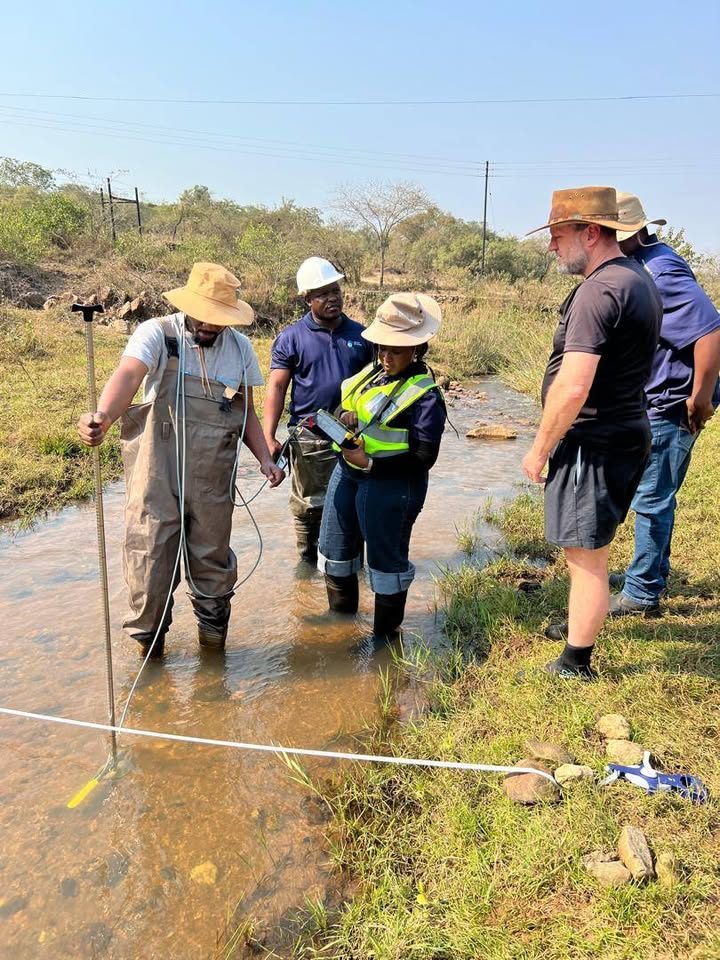
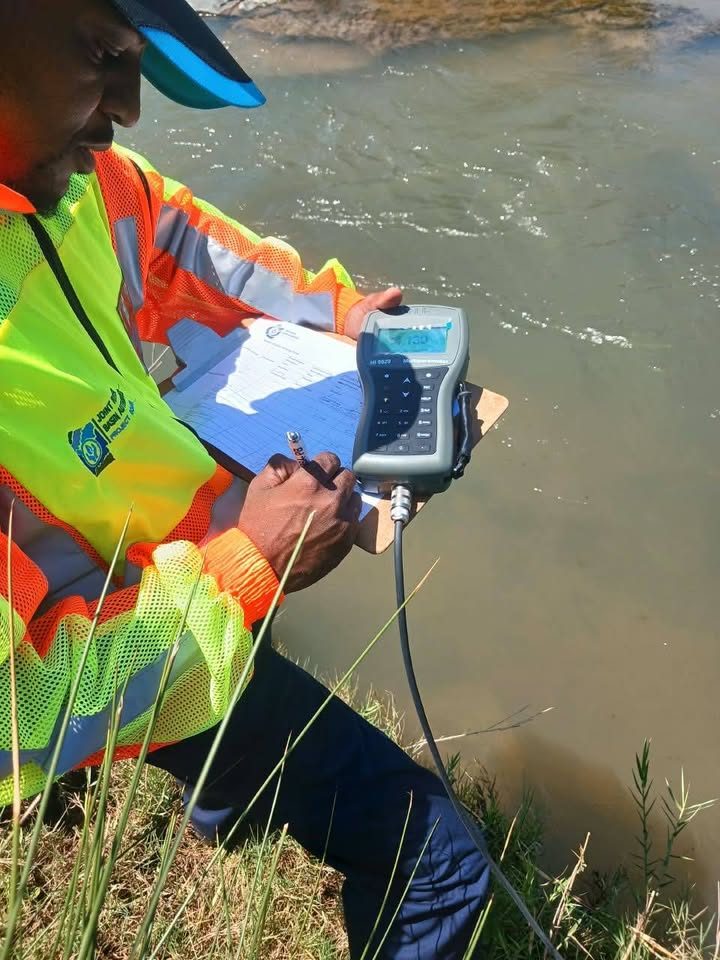
Following our earlier communication regarding the reported spillage incident in the Ngwavuma River, the JRBA-PB technical team is on the ground conducting water quality tests to assess the condition of the river. This forms part of our ongoing response, with a site visit planned to further assess the situation and determine the appropriate next steps.

Public Advisory: As a precaution, members of the public are advised to avoid using water from the affected section of the river for drinking, cooking or other domestic purposes until further guidance is provided by the relevant authorities. Please remain alert and share this advisory with communities that may be affected.

We are treating this matter with the seriousness it deserves and remain committed to monitoring the situation, working with relevant stakeholders and sharing verified updates as they become available.

JRBA-PB | Committed to responsible water resource management.

NGWAVUMA RIVER BASIN AUTHORITY CONDUCTS BOARD EXCURSIONOn 20 October 2026, the Ngwavuma River Basin Authority (NRBA), wi...
21/10/2026

NGWAVUMA RIVER BASIN AUTHORITY CONDUCTS BOARD EXCURSION

On 20 October 2026, the Ngwavuma River Basin Authority (NRBA), with support from the Joint River Basin Authorities-project Board (JRBA-PB), conducted a technical field excursion within the basin to strengthen Board members’ practical understanding of river basin management, water resources governance and regulatory compliance.

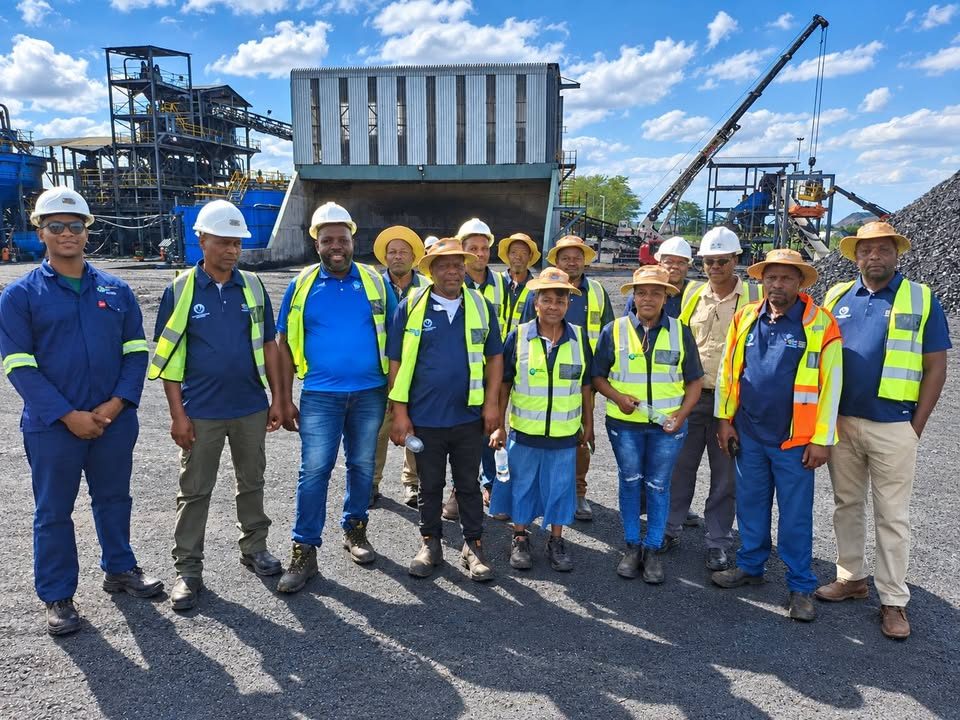
The excursion provided members with an opportunity to gain first-hand exposure to water infrastructure, water abstraction activities and monitoring systems that support effective water resources management. The site visits included the Counterberry Canal, the water extraction point, the GS8 gauging station downstream, and Maloma Mine. These sites offered practical insights into water availability, abstraction, allocation, monitoring and the importance of compliance with water-use requirements.

The field engagement forms part of the Authority’s broader efforts to strengthen informed decision-making by connecting Board members’ oversight responsibilities with the realities on the ground. By observing water use, infrastructure and monitoring operations firsthand, members were better positioned to appreciate the technical and operational considerations that influence the sustainable management of water resources within the basin.

The excursion also reinforced the importance of balancing competing water demands, monitoring river conditions, ensuring responsible water abstraction and promoting compliance among water users. Such engagements are essential in supporting the Authority’s governance role and strengthening its capacity to contribute to equitable water allocation, sustainable resource use and long-term water security.

Through continued collaboration with JRBA-PB and relevant stakeholders, the Ngwavuma River Basin Authority remains committed to strengthening basin-level water governance through practical learning, informed oversight and responsible management of the basin’s water resources.

21/10/2026

NGWAVUMA RIVER BASIN: TECHNICAL TEAM UNDERTAKES FOLLOW-UP ACTIONS FOLLOWING REPORTED DIESEL SPILLAGE

Following a report received on 20 October 2026 regarding a suspected diesel spillage in the Joint River Basin Authorities-project Board (JRBA-PB), is undertaking technical follow-up actions to assess the incident and establish its potential impact on water resources and the surrounding environment.

The reported incident has prompted a technical response aimed at verifying the circumstances surrounding the spillage, assessing the affected area and determining whether there are any potential risks to the river and its associated water resources.

As part of the response, the technical team is undertaking the following actions:

- Field assessment: Conducting a site visit to assess the reported area, establish the extent of the spillage and identify potential risks to the surrounding environment and water resources.

- Water quality testing: Undertaking water quality sampling and testing to establish whether the incident has affected the river and determine the appropriate technical response.

- Technical evaluation: Reviewing the findings of the field assessment and water quality tests to guide any necessary mitigation measures and further interventions.

- Stakeholder coordination: Engaging relevant stakeholders to support information verification, incident response and appropriate follow-up measures.

The findings from these activities will inform the next steps and any additional interventions required to safeguard water resources within the Ngwavuma River Basin.

Through the Ngwavuma River Basin Authority and its secretariat, JRBA-PB remains committed to coordinated water resource monitoring, responsible incident response and the protection of water resources through evidence-based technical assessments.

Further updates will be communicated as verified information becomes available.

Address

Lubovane Dam Site Offices
Siphofaneni
M214

Opening Hours

Monday 08:00 - 17:00
Tuesday 08:00 - 17:00
Wednesday 08:00 - 17:00
Thursday 08:00 - 17:00
Friday 08:00 - 17:00

Telephone

+26878066845

Alerts

Be the first to know and let us send you an email when Joint River Basin Authorities-project Board posts news and promotions. Your email address will not be used for any other purpose, and you can unsubscribe at any time.

Contact The Organization

Send a message to Joint River Basin Authorities-project Board:

Shortcuts

Share

Nearby government services